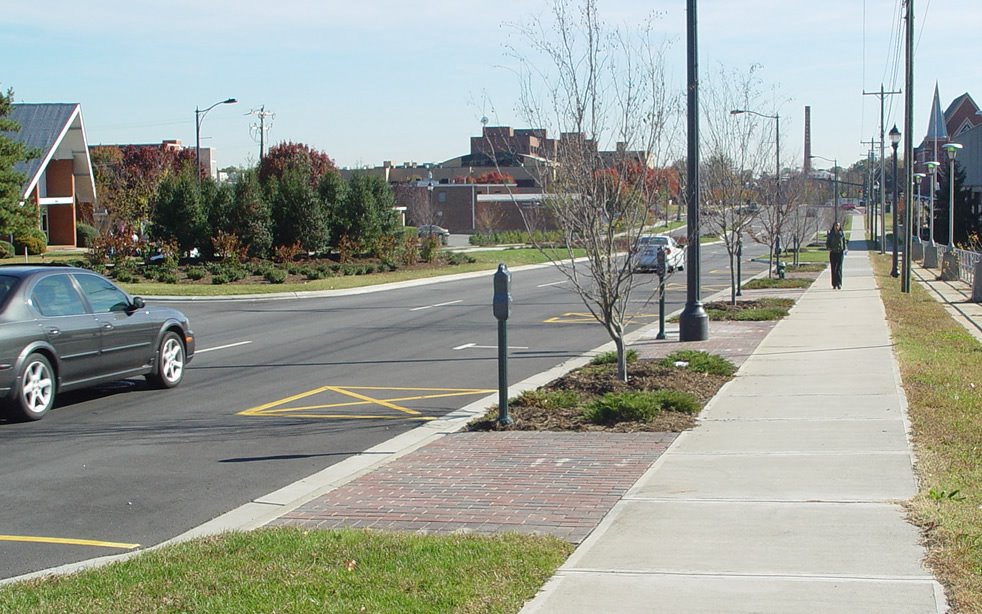
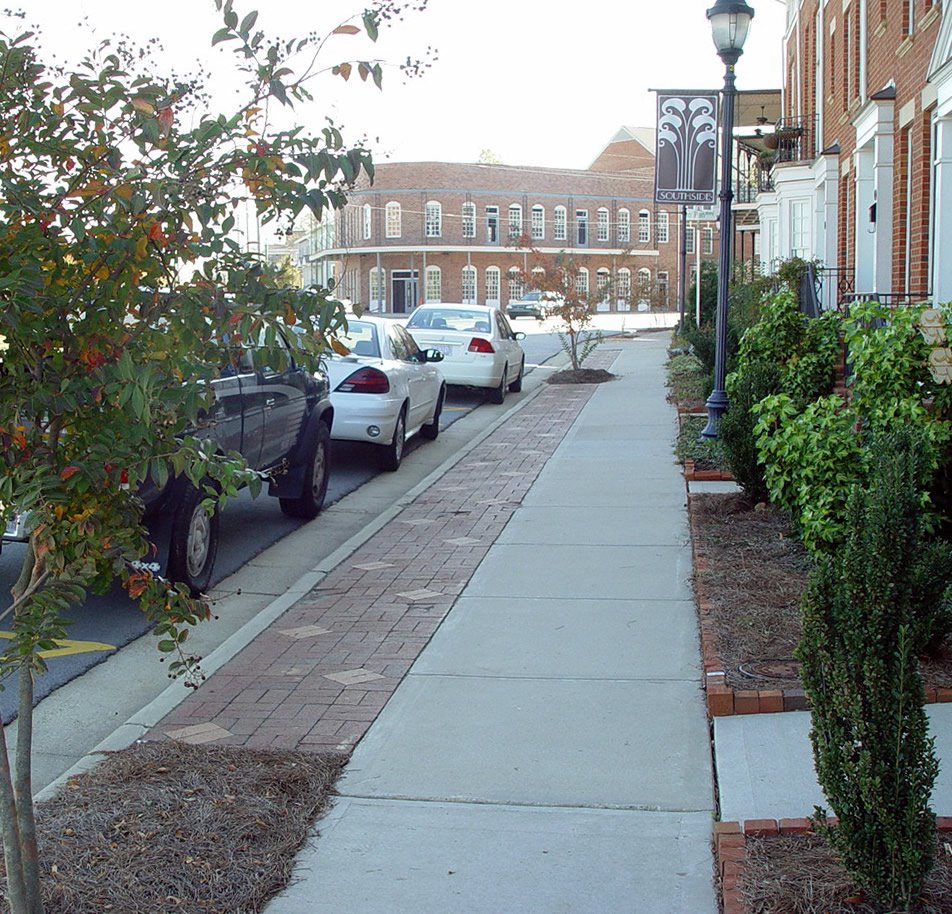
This evening I attended a follow-up session on Action Greensboro's trip to Greenville, SC, and was asked to lead a small-group discussion that was to focus on developing policy recommendations for our own downtown.
This was a slightly-daunting task, as I didn't expect to know any of the members of my group, but it became somewhat more so when mayor Keith Holliday and city manager Mitch Johnson sat down with us. They're both very personable, however, and the ensuing discussion was interesting. (When I reported our recommendations to the larger audience, however, I experienced that nervous, my-mind-is-going-blank thing. I hate addressing large groups of strangers ex tempore.)
Anyhow, I guess this means I've been assimilated by Action Greensboro, whose plan for building a new downtown stadium I opposed so vigorously a couple of years ago.
Sam thinks this is not a good thing. But, hey, Hoggard was there, too.
Update: Hoggard says he has not been assimilated. And I should stipulate (if anyone was in dobut) that I share his views on preservation; in fact one of my reasons for getting involved with AG is to promote more preservation and adaptive re-use in its downtown activities.
This was a slightly-daunting task, as I didn't expect to know any of the members of my group, but it became somewhat more so when mayor Keith Holliday and city manager Mitch Johnson sat down with us. They're both very personable, however, and the ensuing discussion was interesting. (When I reported our recommendations to the larger audience, however, I experienced that nervous, my-mind-is-going-blank thing. I hate addressing large groups of strangers ex tempore.)
Anyhow, I guess this means I've been assimilated by Action Greensboro, whose plan for building a new downtown stadium I opposed so vigorously a couple of years ago.
Sam thinks this is not a good thing. But, hey, Hoggard was there, too.
Update: Hoggard says he has not been assimilated. And I should stipulate (if anyone was in dobut) that I share his views on preservation; in fact one of my reasons for getting involved with AG is to promote more preservation and adaptive re-use in its downtown activities.